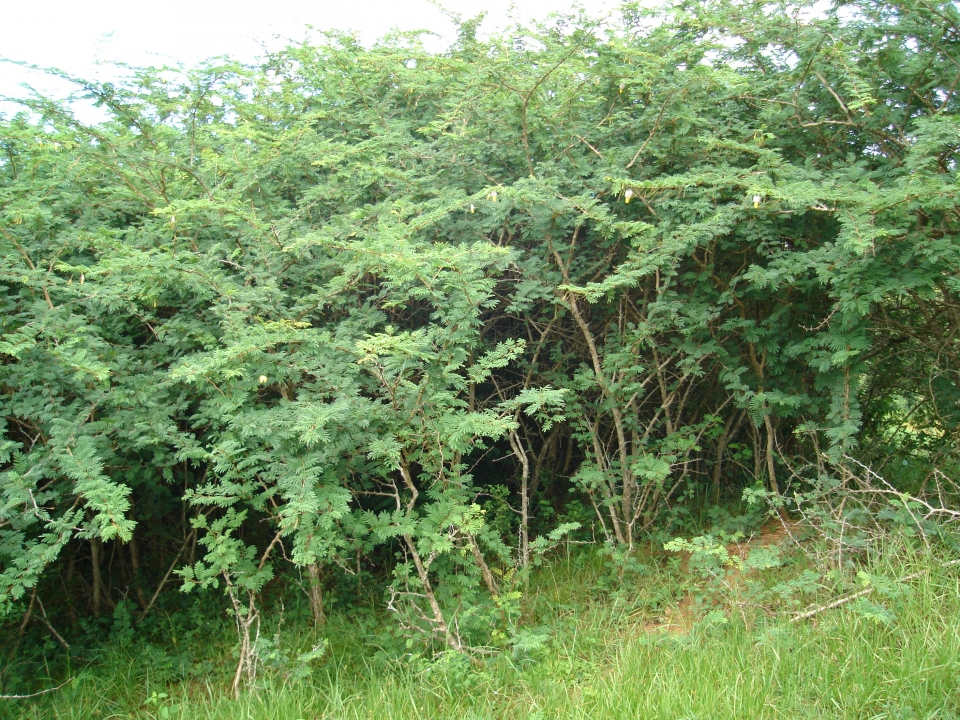
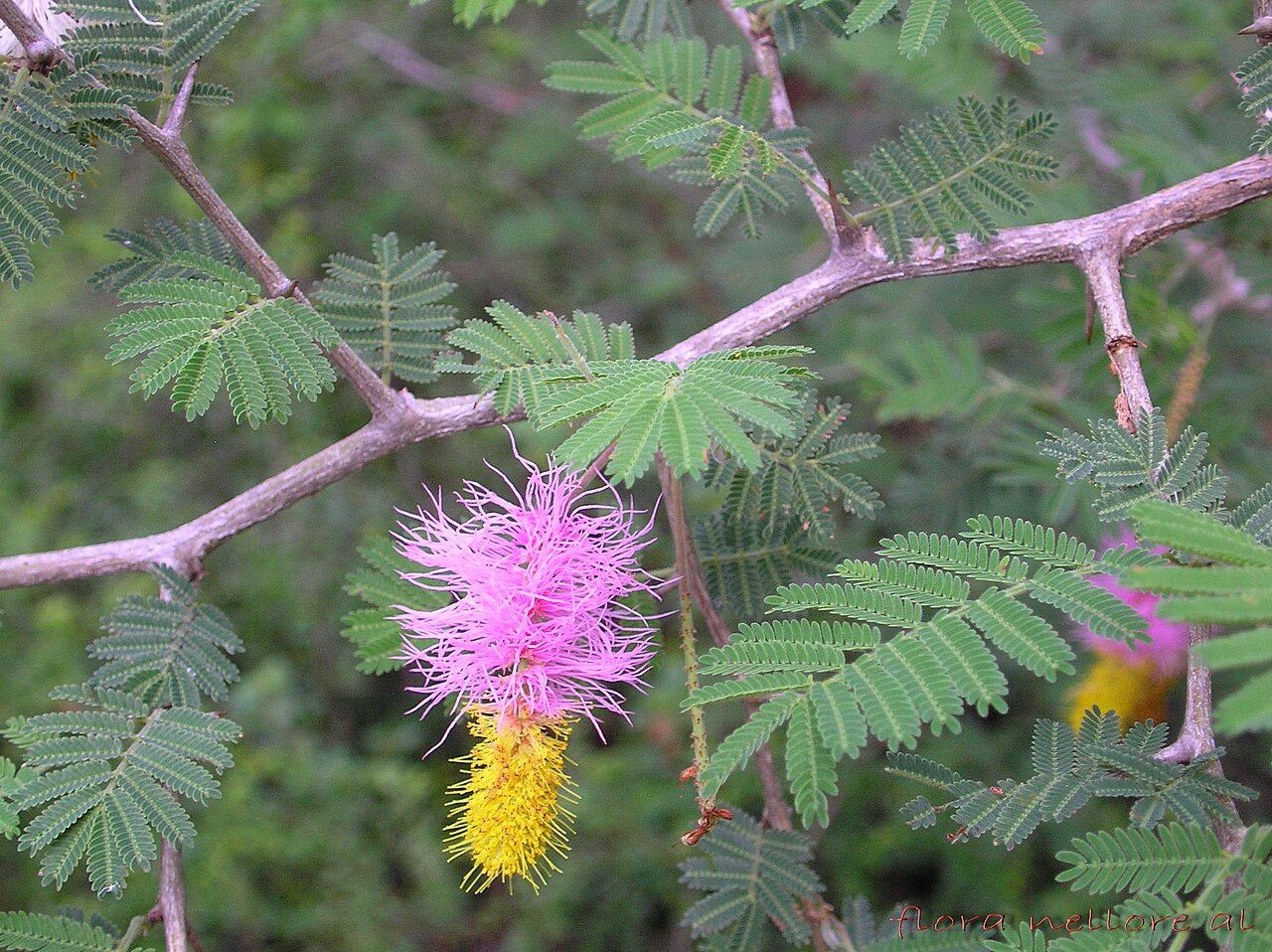
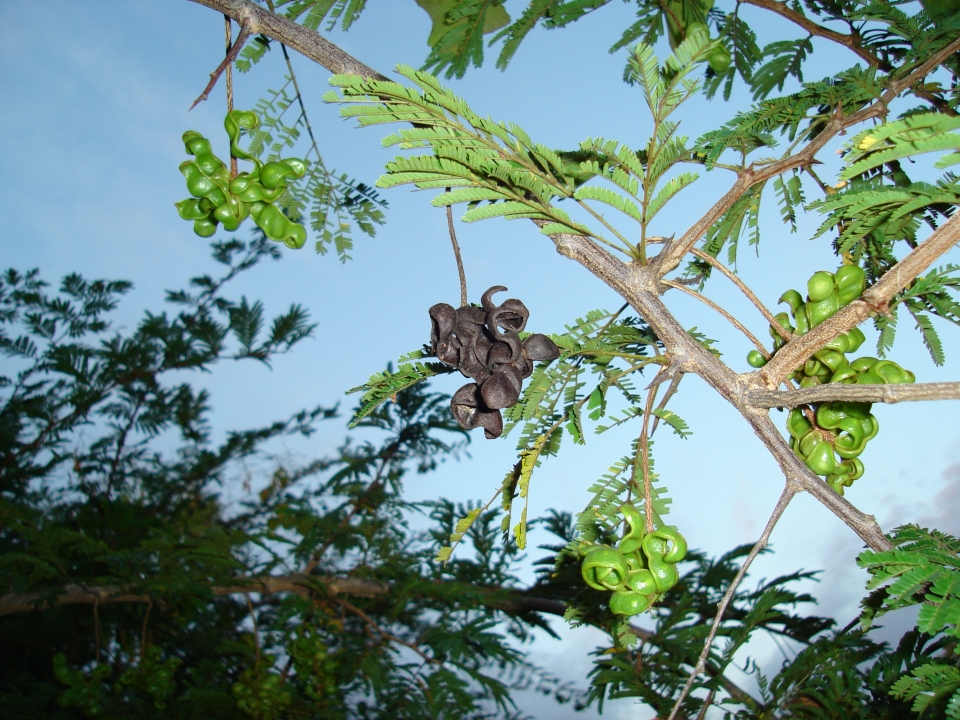
How to recognise Sickle Bush
Add the photographer, source and licence for each photograph used.
Useful photographs for confirmation
- Full plant from several metres away
- Leaves and branch arrangement
- Thorns, stems and bark
- Flowers or pods when present
- Wider infestation and nearby desirable vegetation
Why land managers control it
Dense woody stands can reduce usable space, restrict access and compete with desirable vegetation. Cutting may create regrowth, so the initial operation and follow-up need to be planned together.
Compare the main control routes
Foliar application
A full-cover spray may suit accessible, actively growing plants where the label supports the target and method.
- Coverage and weather matter
- Drift and non-target plants must be managed
- Plant height and density affect practicality
Cut-stump treatment
Fresh cut surfaces are treated according to the registered label. Multi-stemmed plants require consistent treatment of all relevant stems.
- Timing after cutting is important
- Fresh cuts and complete stem coverage matter
- Follow-up is required for misses or regrowth
Basal-stem treatment
The lower stem or root-crown area is treated with the label-defined product and carrier where this method is registered.
- Stem size affects suitability
- Carrier and wetting technique matter
- Avoid unnecessary exposure of non-target plants
Soil-applied treatment
Root-zone liquid or granular treatment may be considered only when the target, soil and site conditions support the registered use.
- Soil texture and rainfall matter
- Protect desirable root systems
- Water and drainage require careful review
What determines the product and quotation?
| Information | Why it matters |
|---|---|
| Confirmed species | Products and methods are target-specific. |
| Plant size and density | Determines the practical application route and likely spray volume or plant count. |
| Location and site type | Helps review climate, access, water and surrounding vegetation. |
| Previous cutting or treatment | Shows whether the site has active regrowth, coppice or prior failures. |
| Desired outcome | Product supply, selective control or managed application require different scopes. |