How to recognise Lantana
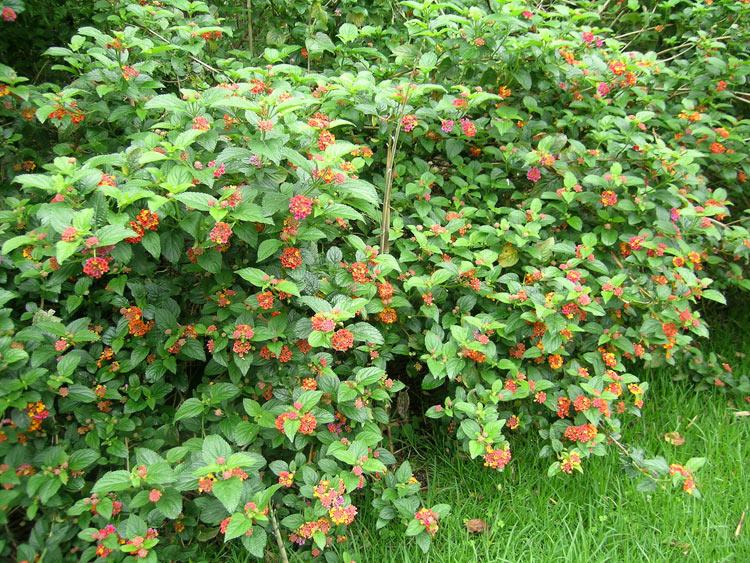
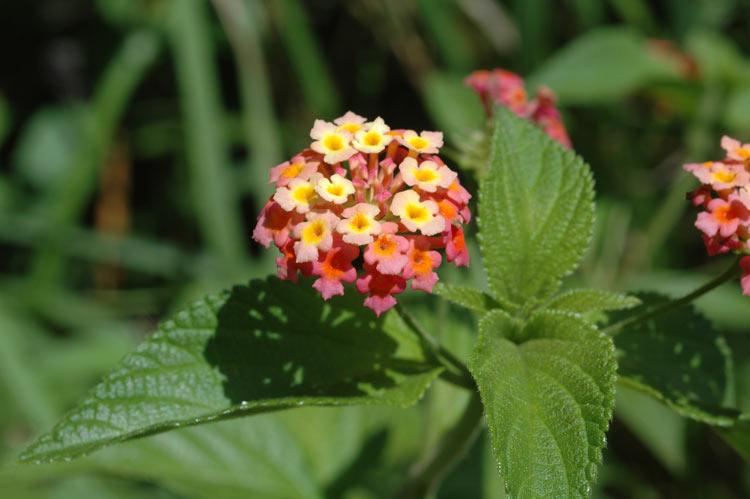
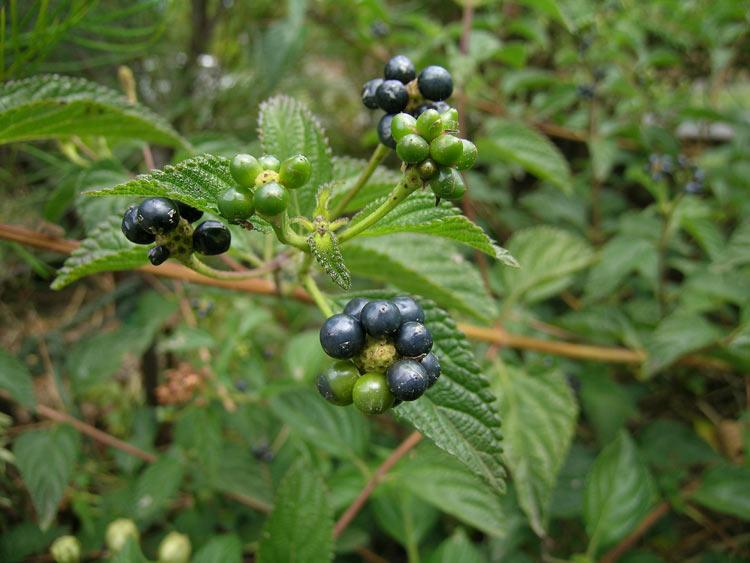
Add the photographer, source and licence for each photograph used.
Useful photographs for confirmation
- Full plant and wider infestation
- Leaf surface and toothed leaf margin
- Flower clusters showing colour variation
- Fruit, stems and prickles
- Nearby water, grazing or desirable vegetation
Why Lantana becomes a serious problem
Lantana can establish along fence lines and under trees, replace natural vegetation with dense thickets, restrict access and reduce usable grazing. The plant can recover after incomplete clearing, so ongoing follow-up is central to a practical control programme.
Compare the main control routes
Manual removal
Small plants may be removed manually where the roots can be taken out and soil disturbance can be managed.
- Remove the root system where practical
- Work carefully around desirable plants
- Revisit the site for new seedlings
Foliar treatment
Foliar application may suit smaller, actively growing plants where the target and method are listed on the current registered label.
- Coverage and growth condition matter
- Control drift and protect non-target plants
- Inspect for survivors and new recruitment
Cut-stump treatment
Larger plants may require cutting followed by prompt treatment of the fresh stump according to the registered label.
- Treat all relevant stems consistently
- Fresh cut timing is important
- Follow up on resprouting or missed stems
Integrated follow-up
Effective management combines initial control with treatment of regrowth, missed plants and seedlings, followed by maintenance inspections.
- Initial control reduces the established stand
- Follow-up targets regrowth and seedlings
- Maintenance prevents reinfestation
What determines the treatment and quotation?
| Information | Why it matters |
|---|---|
| Plant size and growth stage | Determines whether manual, foliar or cut-stump work is practical. |
| Patch size and density | Influences labour, product quantities, access and project phasing. |
| Location and site type | Helps assess access, climate, grazing, neighbouring vegetation and water. |
| Previous cutting or spraying | Shows whether the site contains untreated stumps, regrowth or prior treatment failures. |
| Follow-up capacity | Lantana control requires repeat inspection and treatment of regrowth and seedlings. |